Mastering the Art of Lettering with the Lettering Practice Workbook
The Foundation of Modern Calligraphy and Hand Lettering
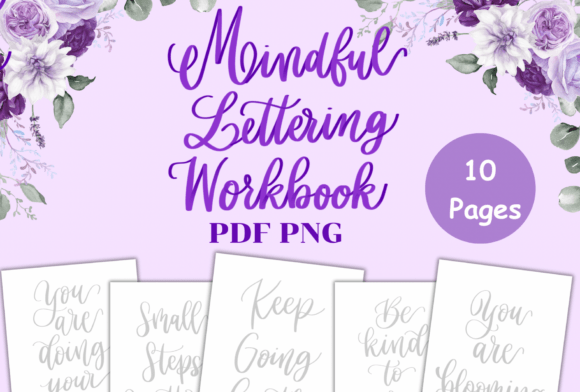
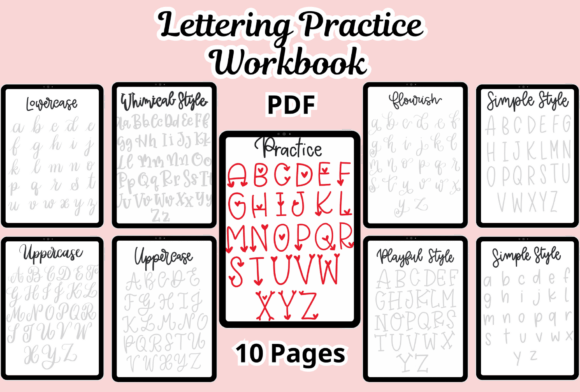
The art of lettering has long been a cherished form of creative expression, blending aesthetics with technique. Whether you're a professional designer, a hobbyist looking to refine your skills, or a student exploring new artistic mediums, the Lettering Practice Workbook offers a structured and comprehensive approach to mastering modern calligraphy and hand lettering. This guide is not just about learning how to write beautifully—it's about understanding the principles behind each stroke, building muscle memory, and developing the confidence needed to create consistent, stylish letters for a variety of purposes. At its core, the Lettering Practice Workbook is designed to be a step-by-step resource that simplifies the often-daunting process of learning calligraphy. It provides carefully curated exercises that gradually increase in complexity, allowing users to progress at their own pace. From basic strokes to full alphabets, this workbook ensures that every practice session contributes to long-term improvement in both technique and creativity. One of the key advantages of using the Lettering Practice Workbook is its focus on practical application. Unlike traditional calligraphy tutorials that may emphasize theory over execution, this workbook prioritizes hands-on learning. Each page is filled with clear instructions and visual examples, making it easy for beginners to follow along and for experienced artists to refine their craft. The structured format also helps users develop consistency, which is essential in creating polished, professional-looking lettering.Key Features of the Lettering Practice Workbook
1. Step-by-Step Guidance: The Lettering Practice Workbook breaks down the process of lettering into manageable steps. Starting with foundational strokes, it guides users through the formation of individual letters before moving on to more complex designs. This methodical approach ensures that learners build a strong foundation before advancing to more intricate techniques.
2. Muscle Memory Development: Consistency in lettering is largely dependent on muscle memory. The Lettering Practice Workbook includes repetitive exercises that help users internalize proper hand movements and pressure control. Over time, these exercises translate into smoother, more natural lettering styles.
3. Versatile Application: The skills gained from using the Lettering Practice Workbook are not limited to personal projects. Whether you're creating journal entries, designing greeting cards, or preparing signage for a business, the ability to produce beautiful, stylized lettering opens up a wide range of creative possibilities.
4. Printable Format: The Lettering Practice Workbook comes in a 10-page, 8.5 x 11-inch PDF format that is easily printable. This makes it accessible for both digital and physical use, allowing users to practice anywhere, anytime. The high-quality print layout ensures that each exercise is clearly visible and easy to follow.
5. Compatibility with Digital Tools: While the Lettering Practice Workbook is ideal for traditional pen-and-paper practice, it is also compatible with digital tools like Procreate. This flexibility allows users to explore lettering in both analog and digital formats, catering to different preferences and workflows.
Who Can Benefit from the Lettering Practice Workbook?
The Lettering Practice Workbook is suitable for a wide range of individuals, regardless of their experience level or background. Here are some of the primary beneficiaries:
- Professionals: Graphic designers, branding specialists, and typographers can use the Lettering Practice Workbook to enhance their skill set and create custom lettering for client projects.
- Consumers: Individuals interested in learning calligraphy as a hobby can benefit from the structured guidance provided by the Lettering Practice Workbook.
- Crafters: Artists and crafters who incorporate lettering into their work—such as scrapbookers, quilters, and DIY enthusiasts—can use the workbook to improve their design quality.
- Students: Art students or those studying design can use the Lettering Practice Workbook as a supplementary resource to complement their coursework.
- Business Owners: Entrepreneurs and small business owners can leverage the skills learned in the Lettering Practice Workbook to create branded materials, logos, and promotional content.
- Hobbyists: Anyone with an interest in creative writing, typography, or personal expression can find value in the Lettering Practice Workbook.
Real-World Applications of Lettering Skills
The versatility of lettering extends beyond personal projects. In the professional world, lettering plays a crucial role in various industries. For example, in the field of graphic design, lettering is used to create visually appealing logos, packaging, and marketing materials. Similarly, in the publishing industry, lettering skills are essential for book covers, magazine layouts, and editorial design.
In the realm of education, lettering can be incorporated into classroom activities to teach children about typography, handwriting, and visual arts. Teachers can use the Lettering Practice Workbook as a tool to engage students in creative learning experiences that combine art and literacy.
For businesses, lettering can serve as a powerful branding tool. Custom lettering can be used to create unique signage, stationery, and promotional items that reflect a brand’s identity. The Lettering Practice Workbook equips users with the skills needed to produce high-quality, professional-looking lettering that can elevate a brand’s visual presence.
Additionally, lettering is increasingly being used in digital media. With the rise of social media platforms and online content creation, the demand for visually appealing text has never been higher. The Lettering Practice Workbook prepares users to adapt their skills to digital environments, whether they’re creating Instagram posts, YouTube thumbnails, or website headers.
Considerations for Using the Lettering Practice Workbook
While the Lettering Practice Workbook is an excellent resource, there are several considerations to keep in mind when using it:
1. Consistent Practice: Like any skill, lettering requires regular practice. Users should dedicate time to working through the exercises in the Lettering Practice Workbook to see noticeable improvements in their technique.
2. Quality Materials: The effectiveness of the Lettering Practice Workbook depends on the quality of the materials used. Investing in good-quality paper, pens, and ink can significantly impact the outcome of the practice sessions.
3. Experimentation: While the Lettering Practice Workbook provides a structured approach, users are encouraged to experiment with different styles and techniques. This experimentation can lead to the discovery of unique lettering styles that reflect personal creativity.
4. Feedback: Seeking feedback from peers or mentors can help users identify areas for improvement. Joining online communities or attending workshops can provide valuable insights and support throughout the learning journey.
5. Patience: Mastering lettering takes time and patience. Users should celebrate small victories and remain committed to the process, even when progress seems slow.
Conclusion
The Lettering Practice Workbook is more than just a collection of exercises—it is a comprehensive guide to mastering the art of modern calligraphy and hand lettering. By focusing on practical understanding, real-world applications, and user-friendly design, this workbook empowers individuals of all skill levels to develop their lettering abilities. Whether you're a professional seeking to enhance your design portfolio or a hobbyist exploring new creative avenues, the Lettering Practice Workbook offers a valuable resource that supports growth, creativity, and innovation in the world of lettering.