Empowering Emotional Growth: The Emotional Regulation Feelings Workbook for Children
The Emotional Regulation Feelings Workbook is a powerful educational tool designed to help children navigate the complex world of emotions with confidence and clarity. This beautifully crafted workbook serves as an essential resource for parents, educators, therapists, and caregivers who are committed to fostering emotional intelligence in young learners. With its user-friendly design and comprehensive approach, the Emotional Regulation Feelings Workbook provides a structured yet engaging way for children aged 6 to 12 to understand, express, and regulate their feelings effectively.
Understanding Emotional Regulation in Children
Emotional regulation is a critical skill that enables children to manage their reactions to various situations, whether they are happy, sad, angry, or frustrated. It involves recognizing and labeling emotions, understanding their triggers, and developing strategies to cope with intense feelings. For neurodivergent and neurotypical children alike, this process can be challenging without proper guidance and support.
The Emotional Regulation Feelings Workbook addresses these challenges by offering a step-by-step framework that helps children build emotional awareness from an early age. Through visual activities and interactive exercises, it encourages kids to explore their feelings in a safe and supportive environment. By learning to identify and name their emotions, children gain a deeper understanding of themselves and their experiences, which lays the foundation for better self-regulation.
Key Features of the Emotional Regulation Feelings Workbook
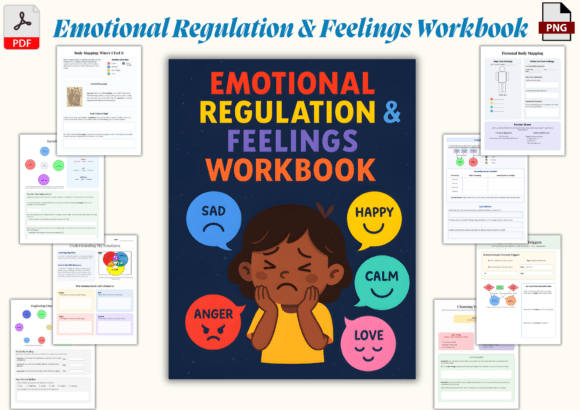
- Comprehensive Emotional Awareness: The workbook includes worksheets and reflection prompts that guide children through the process of identifying and expressing their emotions. This helps them develop a vocabulary for their feelings, making it easier to communicate with others.
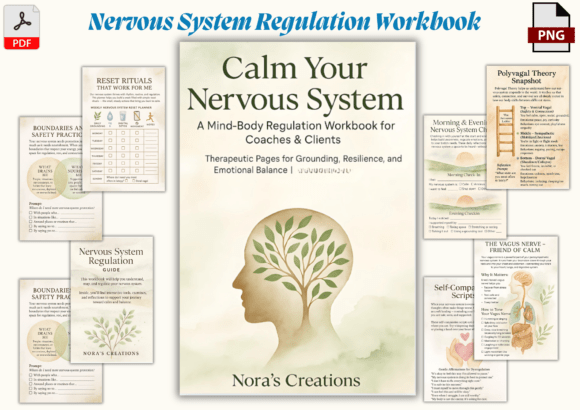
- Sensory-Friendly Visuals: Each page is designed with calming pastel colors and child-friendly illustrations that create a soothing atmosphere. These visuals not only make the workbook more appealing but also aid in reducing anxiety during emotional moments.
- Practical Coping Strategies: The Emotional Regulation Feelings Workbook teaches children essential coping techniques such as deep breathing, mindfulness, and positive self-talk. These strategies empower kids to manage stress and difficult emotions in real-time.
- Personal Calming Plans: One of the unique features of the workbook is the inclusion of personalized calming plans. Children are encouraged to create their own plans based on what works best for them, promoting a sense of autonomy and control over their emotional well-being.
- Digital and Print Formats: The Emotional Regulation Feelings Workbook is available in both high-resolution PDF and PNG formats, making it accessible for both print and digital use. This flexibility ensures that the resource can be used in a variety of settings, including classrooms, therapy sessions, and at home.
Supporting SEL and Emotional Learning
The Emotional Regulation Feelings Workbook aligns with Social-Emotional Learning (SEL) principles, which emphasize the importance of teaching children skills such as self-awareness, self-management, social awareness, relationship skills, and responsible decision-making. By integrating these concepts into its design, the workbook supports the development of well-rounded individuals who can navigate social interactions and personal challenges with greater ease.
Additionally, the Emotional Regulation Feelings Workbook incorporates elements of Cognitive Behavioral Therapy (CBT) and mindfulness practices. These evidence-based approaches help children reframe negative thoughts and develop healthier patterns of thinking and behavior. The workbook’s focus on positive self-talk and stress-relief habits further enhances its effectiveness in promoting long-term emotional resilience.
Real-World Applications and Use Cases
The Emotional Regulation Feelings Workbook is versatile and can be used in a wide range of settings. For parents, it offers a valuable tool to support their child’s emotional growth at home. Teachers can integrate the workbook into their curriculum to teach emotional regulation as part of a broader SEL program. Therapists and counselors may use it as a supplementary resource to help clients develop coping strategies tailored to their specific needs.
In school environments, the Emotional Regulation Feelings Workbook can be used during transitions, recess, or after challenging events to help students process their emotions. Its structured format makes it easy to incorporate into daily routines, ensuring that emotional learning becomes a consistent part of the educational experience.
For homeschoolers and independent learners, the workbook provides a self-paced way to explore emotional regulation. The inclusion of printable and digital formats allows for flexible use, whether working one-on-one with a child or encouraging independent exploration.
Design and Accessibility Considerations
The Emotional Regulation Feelings Workbook is thoughtfully designed with accessibility in mind. Its clean, calming layout and large, easy-to-read fonts ensure that children can engage with the content comfortably. The use of sensory-friendly visuals and step-by-step guides caters to different learning styles, making the material accessible to a wide range of users.
Moreover, the workbook’s emphasis on emotional comfort through its pastel color scheme and gentle imagery creates a welcoming environment for children to explore their feelings without judgment. This thoughtful design not only enhances the learning experience but also promotes a sense of safety and trust.
Conclusion
The Emotional Regulation Feelings Workbook stands out as a comprehensive and effective resource for helping children understand, express, and regulate their emotions. Its blend of practical strategies, engaging visuals, and research-based approaches makes it an invaluable tool for parents, educators, and professionals seeking to support emotional development in young learners. Whether used in a classroom, therapy session, or at home, the workbook empowers children to take charge of their emotional well-being and build lasting skills for life.