2026 Mindfulness Planner: Your Intentional Year Starts Here
Planning isn’t just about scheduling meetings or tracking deadlines—it’s about aligning your time with what truly matters. The 2026 Mindfulness Planner was designed for people who want structure without rigidity, reflection without overwhelm, and growth that feels grounded—not forced. Whether you’re launching a side project, navigating career transitions, healing from burnout, or simply seeking more presence in daily life, this planner meets you where you are: human, evolving, and beautifully imperfect.
A Thoughtful Framework—Not Just Another Calendar
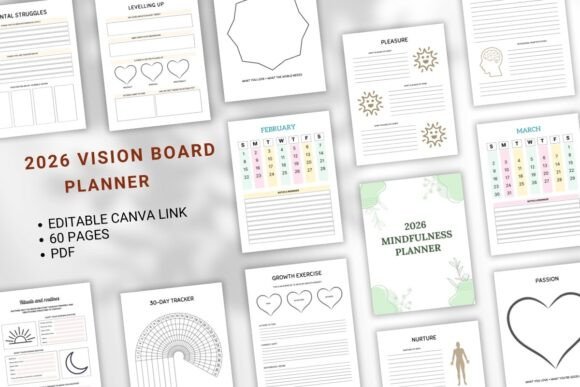
Unlike standard planners that prioritize tasks over tenderness, the 2026 Mindfulness Planner integrates psychological insight with practical design. Each month opens with space to reflect on mental struggles and mental strengths, helping you recognize patterns before they derail your week. The daily insights prompts—like “What did I let go of today?” or “Where did I honor my boundaries?”—aren’t filler. They’re gentle invitations to notice how your inner landscape shapes your outer world.
This matters especially for professionals juggling multiple roles: educators preparing lessons while managing emotional labor, freelancers negotiating scope creep while protecting energy, or small business owners scaling operations without sacrificing well-being. A weekly spread doesn’t just list appointments—it includes a growth exercise tied to mindset shifts (e.g., reframing “I’m behind” into “I’m adjusting my pace with care”) and a money mindset prompt that encourages honest, non-judgmental inquiry—not budget shaming.
Designed for Real Life—Not Idealized Versions of It
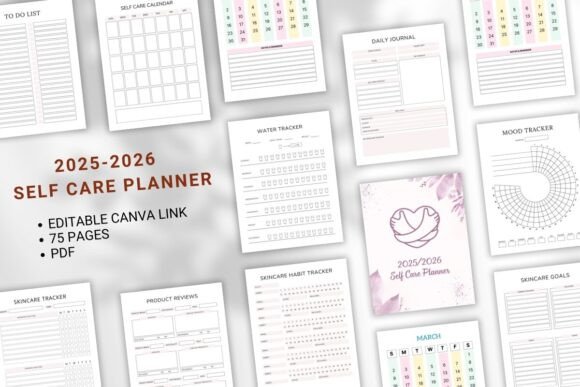
The phrase imperfectly perfect isn’t a slogan here—it’s built into the layout. Notes sections appear beside every monthly calendar, not tucked away in an appendix. The 30-day tracker focuses on sustainable habits (hydration, gratitude, micro-moments of pleasure), not punishing checklists. Even the night gratitude page is intentionally brief: three lines, no pressure to write essays. That design choice reflects real behavior—most people sustain reflection when it takes under 90 seconds.
For creators and marketers using Canva for branding or client work, the editable Canva link is a quiet superpower. You’re not stuck with preset fonts or colors. Swap in your brand palette, adjust spacing for print bleed, or add custom headers—all within Canva’s intuitive interface. And because it’s sized at 8.5″ x 11″, it prints cleanly on standard home or office printers, no resizing or cropping needed. No tech hurdles. Just clarity, ready when you are.
More Than Tracking—It’s Pattern Recognition
Ever wonder why certain weeks drain you—even when nothing “big” happens? The 2026 Mindfulness Planner helps surface those subtle rhythms. The weekly insights section asks not just “What got done?” but “What drained me? What energized me? Where did I compromise my boundaries—and what did that cost?” Over time, those answers reveal personal operating systems: when you focus best, which commitments consistently spark resentment, or how your money mindset shows up in small decisions (like skipping coffee to save $5, then overspending online later).
This level of self-awareness supports better decisions—not just in planning, but in relationships, finances, and creative risk-taking. A blogger might notice their best ideas emerge after morning meditation—not after scrolling. An entrepreneur may realize their “urgent” emails spike when they skip lunch, pointing to blood sugar dips, not workload. These aren’t abstract concepts; they’re actionable data points, collected gently and consistently.
Who Benefits Most—and When It Fits Best
This planner shines for adults aged 20–50 who value depth over decoration: therapists recommending journaling tools to clients, coaches building accountability frameworks, or solopreneurs auditing their energy use across projects. It’s especially helpful during transitional seasons—starting therapy, returning from parental leave, shifting careers, or recovering from illness—when external structure feels unreliable and internal navigation becomes essential.
That said, it’s not ideal for everyone. If your priority is hyper-detailed time-blocking (e.g., Pomodoro timers, hourly task mapping), you’ll likely supplement with digital tools. The 2026 Mindfulness Planner prioritizes quality of attention over quantity of output. Likewise, if you prefer minimalist layouts with zero prompts, its thoughtful scaffolding may feel like too much at first glance. But many users report that the structure fades into the background after two weeks—what remains is a trusted companion for showing up more fully.
Practical Integration Tips
- Start small: Use only the daily gratitude and let it go pages for the first week. Build consistency before adding insights or trackers.
- Pair with ritual: Keep it beside your morning tea or evening journal. Physical placement reinforces habit cues more than notifications ever can.
- Customize meaningfully: In Canva, rename “MY DREAM LIFE” to “My Next Chapter” or “What Feels True Now”—language that resonates with your current season.
- Revisit quarterly: Flip back to your yearly planner pages every three months. Not to judge progress—but to ask, “Is this still mine to carry?”
Why the Editable Canva Format Changes the Game
KDP interior designers, educators creating student wellness resources, or content creators building signature tools all benefit from the editable Canva link. You’re not locked into someone else’s vision. Need larger font for accessibility? Done. Want to add your logo to the cover or insert a resource list in the notes section? One click. Because it’s a Premium Quality PDF ready for print, there’s no guesswork about margins or resolution—just professional results, whether you’re printing 5 copies or 500.
And while the 2025 Mindfulness Planner Editable Canva KDP Interiors offers continuity for those already immersed in this practice, the 2026 Mindfulness Planner refines the flow based on real user feedback: clearer section dividers, expanded space for personal boundaries reflection, and redesigned limiting beliefs exercises that guide you from identification to compassionate reframe—not just awareness.
Mindfulness isn’t about emptying the mind. It’s about returning—to breath, to values, to choice. The 2026 Mindfulness Planner doesn’t promise transformation. It offers something quieter, and more reliable: a consistent, compassionate space to witness your own becoming—one intentional, imperfect, deeply human day at a time.